-
-
Singapore
-



Blog Detail

Bridging East and West: AI, Blockchain, and Sustainable Governance at FinTech Week Singapore 2026
Recent Posts

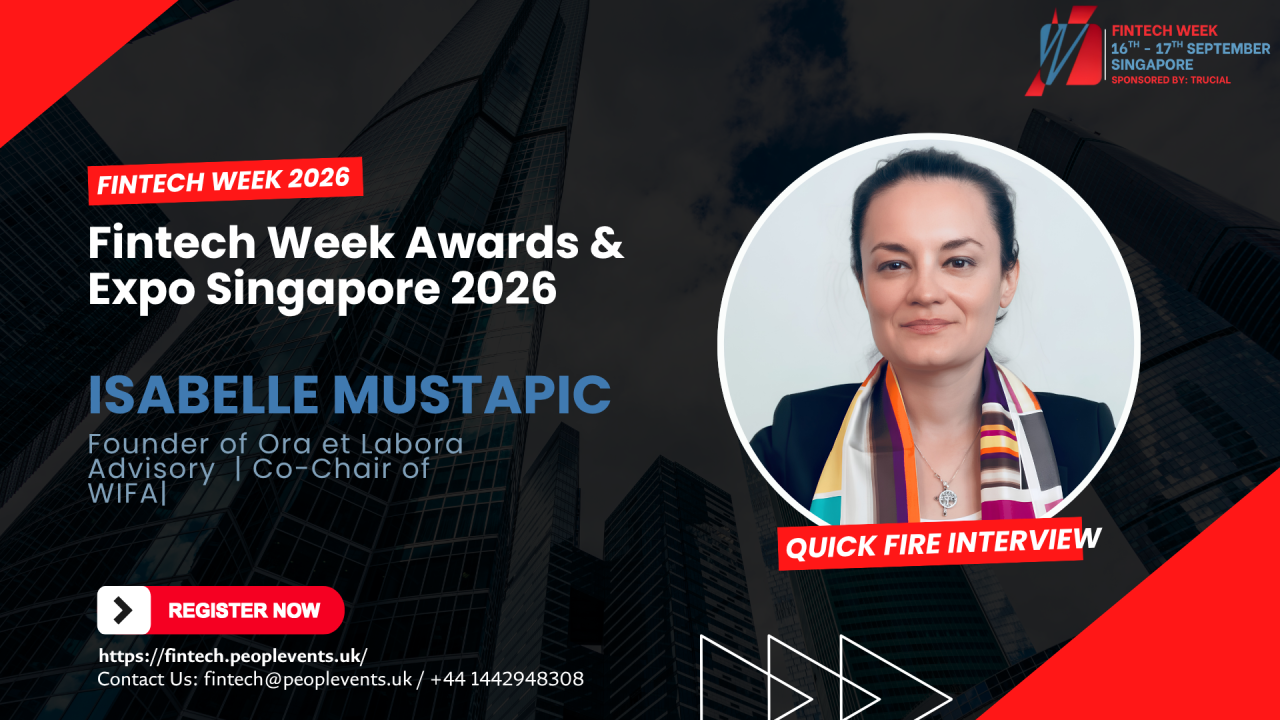
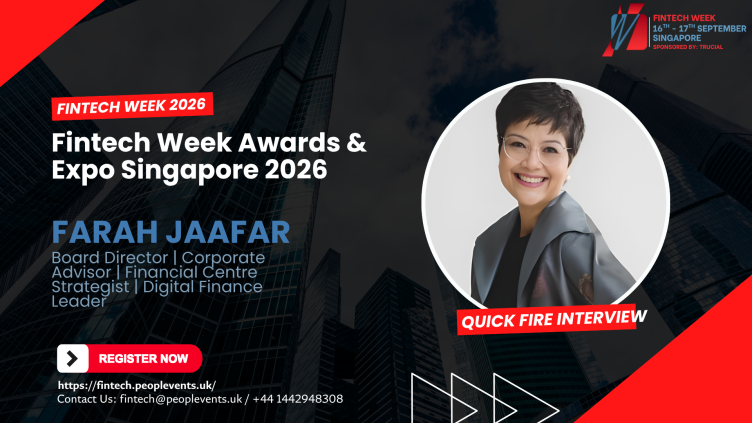
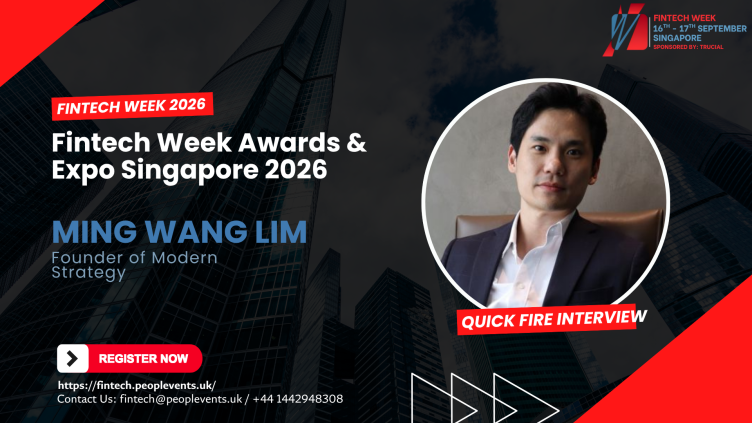
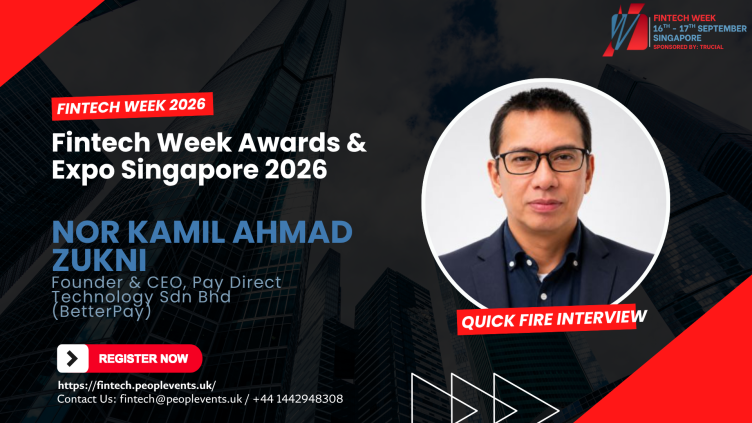
As enterprise leaders, central bankers, and fintech pioneers assemble for the FinTech Week Awards & Expo Singapore 2026 (16–17 September 2026 at Crowne Plaza Changi Airport), the global financial ecosystem faces a period of rapid technological convergence. Operating under the theme "Finance. Innovation. Future.", the summit addresses the critical balance between technological acceleration and regulatory governance.
In an exclusive interview previewing his speaker appearance at the event, Yi Hahn Chin shares key insights into the future of cross-border settlements, enterprise AI adoption, multi-directional innovation flows, and talent strategy in digital finance.
1. Major Shifts Redefining the Global Financial Ecosystem
The next decade of financial services will be shaped by the maturation of blockchain-based payment networks and the pervasive adoption of artificial intelligence:
Blockchain Real-Time Settlement: Cryptocurrencies and USD-denominated stablecoins have transitioned from speculative debates into functional payment infrastructure, gaining significant momentum in key global markets like the US. Operating on a 24/7 real-time basis, blockchain technology offers a proven use case in cross-border settlements that places increasing pressure on traditional correspondent banking models. Whether stablecoins, tokenized bank deposits, or hybrid frameworks ultimately dominate remains an evolving standard.
Responsible Enterprise AI Deployment: While AI adoption is widespread, financial institutions face complex operational hurdles surrounding data protection, system governance, and strict regulatory compliance. In heavily regulated banking environments, the capacity to deploy AI responsibly at scale will determine market leadership, while laggards face substantial competitive risk.
2. Balancing Agility, Innovation, and Governance
Navigating regulatory requirements while maintaining innovation speed presents distinct structural challenges for both traditional banks and digital-native fintechs:
Institutional Governance and Focus: Systemically important banks face extensive regulatory scrutiny across broad product suites, which naturally impacts their deployment speed. Conversely, specialized cross-border fintechs leverage modern software architecture and narrower product scopes to iterate rapidly.
Ring-Fencing Resources for Forward Innovation: Banks possess vast capital, established user relationships, and deep domain expertise. To innovate effectively, institutions must ring-fence dedicated forward-looking teams tasked with maintaining open dialogues with regulators, testing prototypes with real customers, and embedding new capabilities back into core business functions rather than isolating innovation at the executive level.
3. Multidirectional Innovation: Bridging APAC and Global Markets
Having spent over 15 years in London before immersing himself in the APAC consumer payments landscape, Yi-Hahn Chin highlights a fundamental shift in how global financial technology evolves:
- Asia-Pacific (APAC) Historical Role: Regional Technology Recipient; Modern Market Dynamics: Multidirectional leader shaping global standards in payments, user experience, and digital engagement.
- Western Markets (London/US) Historical Role: Primary Innovation Exporter. Modern Market Dynamics: Institutional foundation providing stablecoin momentum, global regulatory models, and capital flows.
This dual perspective illustrates how APAC's user experience innovations actively inform global financial architecture, while global regulatory frameworks support scale across APAC.
4. Long-Term Impact: AI as the Pervasive Engine
Among emerging technologies—including digital identity, embedded finance, and blockchain—artificial intelligence stands apart due to its universal reach:
Broad Operational Transformation: Unlike technologies designed for specific use cases, AI influences every operational tier of financial services.
Enhancing Core Infrastructure: AI’s greatest long-term value lies in fundamentally refining existing financial functions, including real-time fraud detection, automated compliance, operations, credit scoring, and customer service.
5. Singapore’s Strategic Advantages and APAC Expansion
Singapore’s status as a premier global fintech hub stems from proactive public policy and constructive regulation:
Public-Private Collaboration: Agencies like the Economic Development Board (EDB) and the Monetary Authority of Singapore (MAS) foster ongoing consultation with industry operators, maintaining high trust standards while supporting innovation.
A Regional Springboard: Singapore offers a sophisticated financial environment, advanced infrastructure, and an international workforce. This allows expanding firms to refine operational practices before entering the broader APAC market, which requires navigating highly diverse regulatory regimes and payment habits across individual countries.
6. Strategic Guidance: Empowering High-Impact Talent
Navigating an increasingly digital financial system ultimately depends on organizational culture and human capital:
Prioritizing Intellectual Curiosity: Sustainable innovation relies on attracting and empowering intellectually curious individuals, driven to challenge the status quo, and attuned to broader market movements.
Culture as a Force Multiplier: While AI and automation continue to reshape daily operations, high-performing talent empowered by the right organizational culture remains the primary driver of exponential growth and long-term competitiveness.
Convergence Guide
● Online
✕
● Online
👋 Welcome to the FinTech Week!
🙏 Welcome to FinTech Week, 16–17 September 2026 | Singapore!
Would you like to know details about:
• Sponsorship opportunities
• Available speaking opportunities
• Networking & insights
• Book a quick call
• Agenda request
• Discounts available
Click below to start chatting with us on WhatsApp 👇